
Head of Gold
Babylon
605-539 BC
Nebuchadnezzar's kingdom is identified with the head of gold.
Daniel 2:37-38
Daniel prophecy guide
Nebuchadnezzar's dream reveals the rise and fall of world kingdoms and points forward to the everlasting kingdom of God.
Prophecy overview
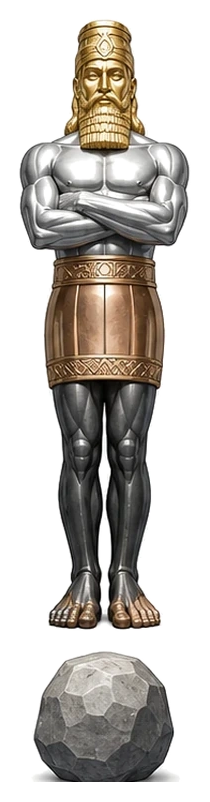
Daniel 2 presents a single prophetic outline. The image represents successive kingdoms, but the climax is not human power. The stone cut without hands represents God's kingdom, which will never be destroyed.
Head of Gold
605-539 BC
Nebuchadnezzar's kingdom is identified with the head of gold.
Daniel 2:37-38
Chest and Arms of Silver
539-331 BC
The next kingdom follows Babylon in the prophetic sequence.
Daniel 2:39
Belly and Thighs of Bronze
331-168 BC
The third kingdom is represented by bronze and follows Medo-Persia.
Daniel 2:39
Legs of Iron
168 BC-AD 476
The fourth kingdom is symbolized by iron because of its strength.
Daniel 2:40
Feet of Iron and Clay
After Rome
The divided kingdom is partly strong and partly broken.
Daniel 2:41-43
Stone Cut Without Hands
Eternal
The stone represents the kingdom God establishes forever.
Daniel 2:34-35, 44-45
What it means
Daniel 2 shows that earthly kingdoms are temporary. They may appear powerful, but they do not control the final outcome of history. God does.
Key truth
In the days of these kings shall the God of heaven set up a kingdom, which shall never be destroyed.
Understanding Daniel 2
Daniel 2 gives a foundation for later prophecy. Daniel 7 expands the same kingdom sequence with beasts. Revelation later develops the final conflict over worship, loyalty, and God's kingdom.